Quality & Compliance

Checked at every gate, from factory floor to container door.

Buying from a factory you have never visited is a leap of faith — unless every step leaves evidence. Here is how an order is checked, what the tests look like, and which standards apply to each product category.

Gates on every order6
Categories mapped to standards19
Container securityC-TPAT
Container sealsISO 17712

How an order is checked

Six gates. Evidence at each one.

Nothing moves to the next stage — and no more money moves — until the evidence for this one is in.

  1. 01

    Factory approval

    Before anything is ordered, we assess the factory in person: social-compliance audit readiness, C-TPAT security, capacity and financial stability. A factory that falls short is not used.

  2. 02

    Golden sample

    You approve a physical sample before bulk production starts. It becomes the reference every later check is measured against.

  3. 03

    Materials

    Materials and components are verified at the start of production — grade, hardness and dimensions against the approved specification — before they become product.

  4. 04

    Testing to the standard

    We confirm the standards that apply for your market and channel before sampling, and coordinate third-party testing where it is required. The photos below show what those tests look like.

  5. 05

    Pre-shipment inspection

    Before the balance is released, the finished goods are inspected against your approved sample on an AQL sampling plan (ISO 2859-1 / ANSI/ASQ Z1.4), and you receive the report with photos.

  6. 06

    Container loading

    We supervise loading: the empty container passes a C-TPAT seven-point inspection, the right goods go in at the right count, and the doors are closed with a high-security seal.

Testing, in pictures

What the tests actually look like.

Each test runs to a published standard. Pass limits come from that standard or from your specification.

Container security

Loaded and sealed to C-TPAT criteria.

C-TPAT is the supply-chain security programme of US Customs and Border Protection. Its minimum security criteria set out how a foreign supplier should check and seal a container, so nothing can be added between the factory and the port. Our loading follows them.

Seven-point inspection of the empty container, before loading

  1. Front wall
  2. Left side
  3. Right side
  4. Floor
  5. Ceiling and roof
  6. Inside and outside doors, with their locking bars
  7. Outside and undercarriage

Then a high-security bolt seal to ISO 17712, checked by View, Verify, Tug and Twist. Its number goes on your shipping documents.

C-TPAT seven-point inspection: an inspector checks the side wall of an empty 20-foot shipping container with a torch before loading.

Standards by category

The standards behind each product line.

Which standards apply depends on your market and channel. We confirm the set with you before sampling and coordinate third-party testing where required. Ask us for the product-by-product list.

CategoryStandards that typically applyWhat gets tested
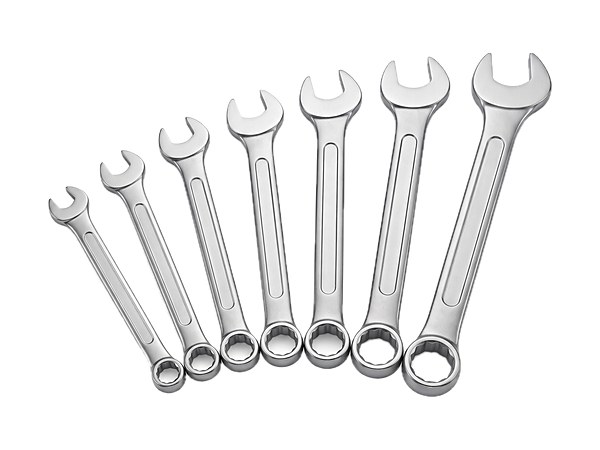
Hand ToolsASME B107.100 · ASME B107.110 · ISO 6788Proof torque, hardness, opening gauges, plating salt spray
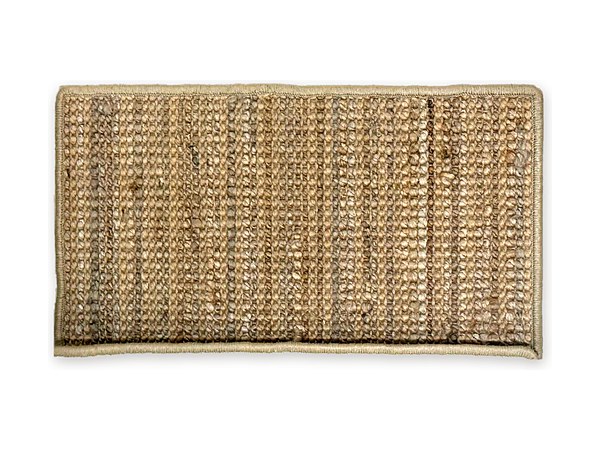
Flooring Mats16 CFR 1630/1631 · ASTM D412 · ASTM D2240 · ANSI/NFSI B101.3Flammability (textile mats), rubber tensile and hardness, wet slip resistance, colourfastness
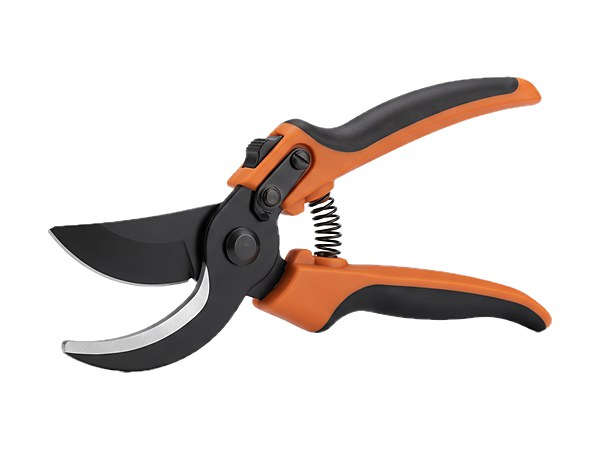
Garden ToolsBS 5708 · BS 3388 · ASTM D5034Cutting force and capacity, handle leverage and pull-off, blade hardness, bag fabric strength
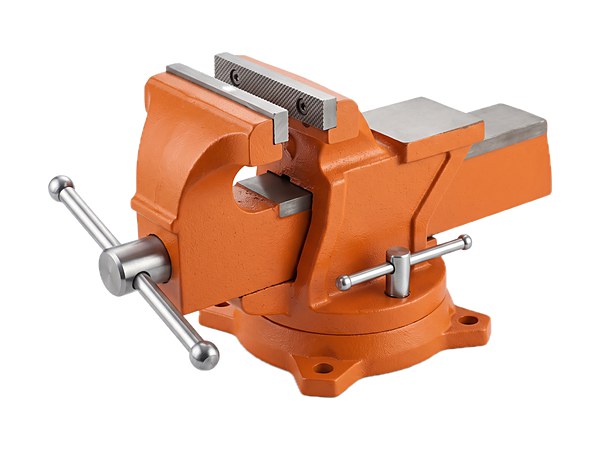
Metal Working & ClampingASTM A536 (SG iron) · Federal Spec GGG-V-410SG-iron tensile and nodularity, jaw and clamping load, face hardness
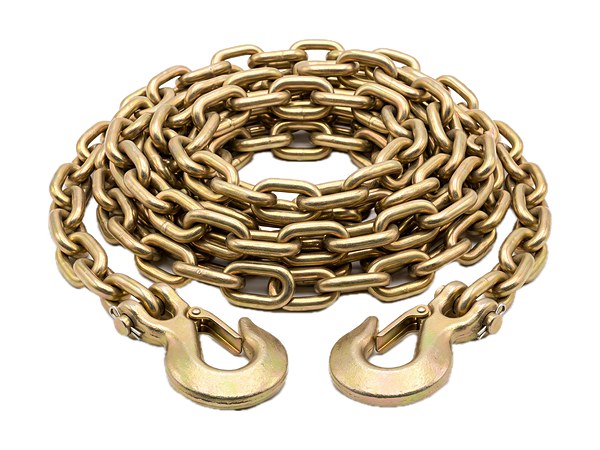
Towing & Trucking Trailer PartsSAE J684 · ASTM A413 · ASME B30.26Static load by hitch class, chain proof and breaking load, shackle proof load, rating marks
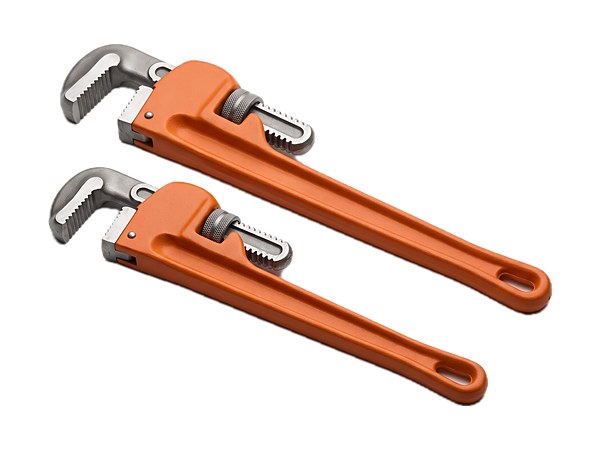
Plumbing ToolsASME B107.500 · Federal Spec GGG-W-651Proof torque, cutting capacity, jaw and edge hardness, hydraulic proof pressure
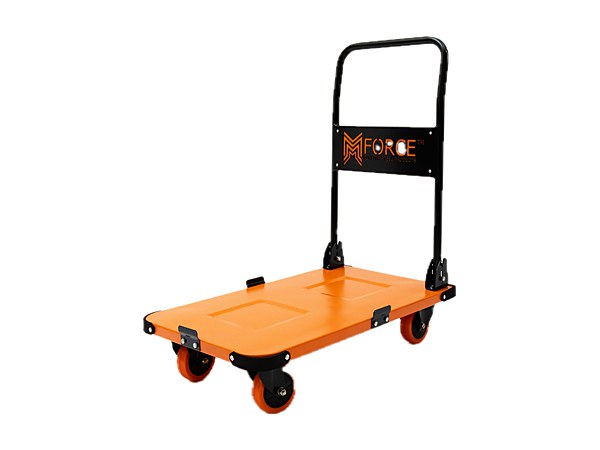
Material HandlingASME PASE (shop cranes) · ANSI/ICWM (casters)Static and dynamic load, caster durability and brakes, boom proof load, weld inspection
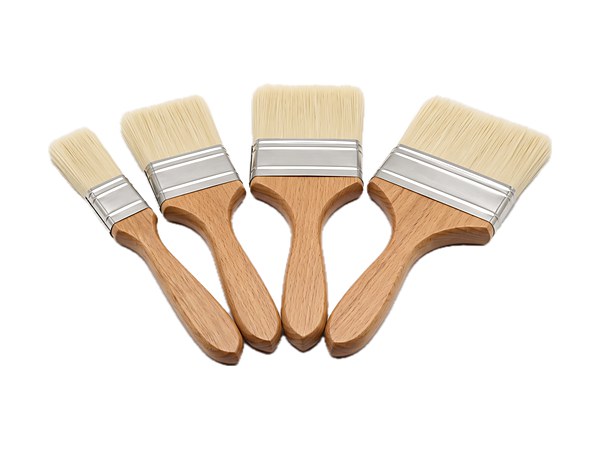
PaintANSI-ASC A14.2 (ladders) · ANSI-ASC A14.7 (platforms)Ladder static, rung and slip tests; bristle pull-out; solvent resistance
Outdoor AdventureBuyer specificationSeal immersion, drop, latch force, coating salt spray, holster retention
Cargo HandlingASME B30.9 · WSTDA WS-1 · WSTDA T-1 · ASME B30.10Proof and break tests, working-load-limit marks, webbing tensile, hook deformation
OutdoorASTM D5034 · ASTM D751 · ANSI Z21.58 (gas grills) · ASTM F1148 (children's swings)Tarpaulin tensile, tear and grommet pull; static load on swings and hammocks; grill stability
Garage ToolsASME PASE · ISO 3691-5 (pallet trucks) · ANSI/ICWMProof and off-centre load, load hold, static load, caster tests
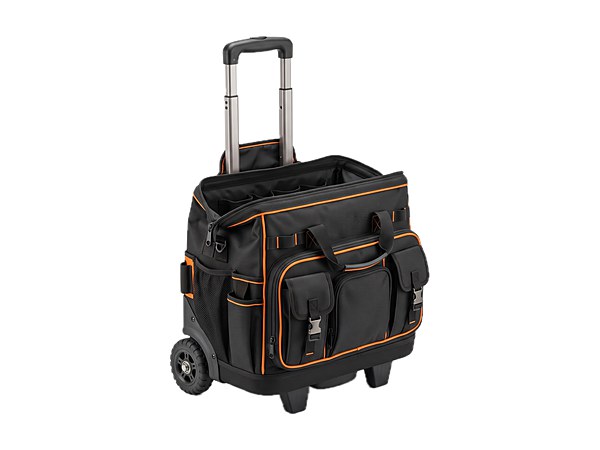
Mobile Tool StorageASTM D5034 · ASTM D2061 · ISO 3376 · ISO 17075Fabric and seam strength, zippers, handle and wheel durability, leather tests, chromium VI
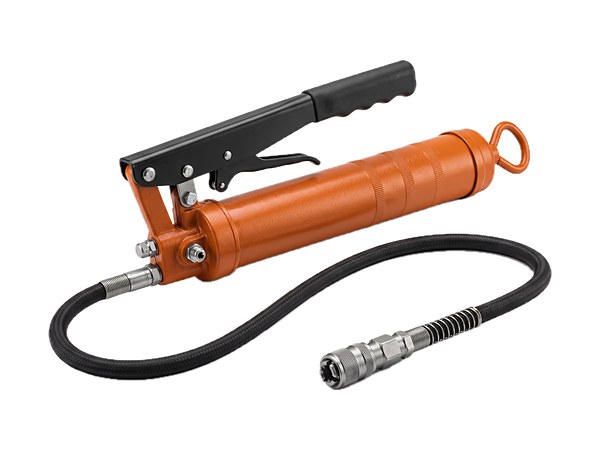
Lubrication ToolsDIN 1283 · SAE J534 · ASTM D217Hydrostatic pressure and leak, output per stroke, cartridge fit, grease consistency
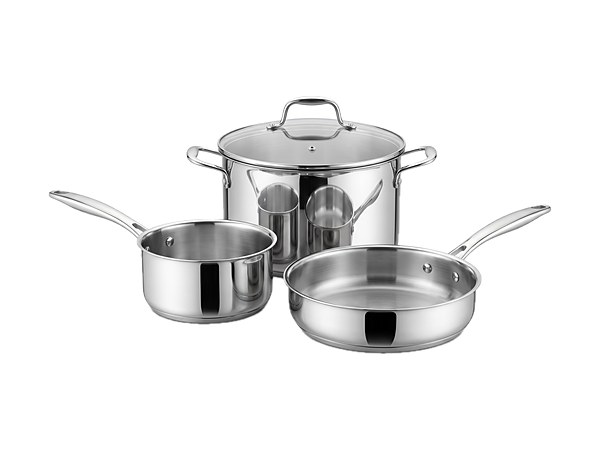
Stainless SteelASTM A240 (grade 304) · FDA food contactGrade check by spectrometer, food contact and lead, dishwasher durability
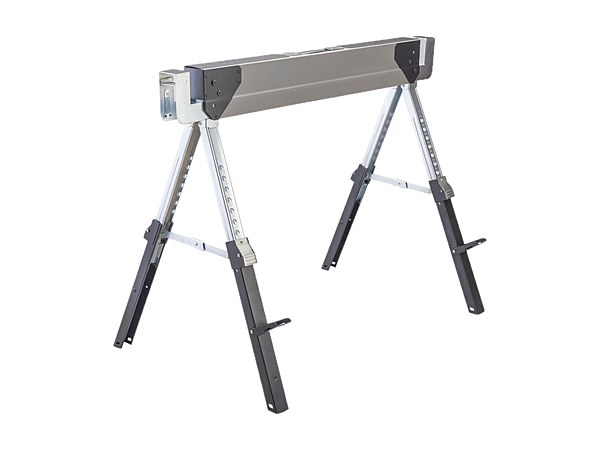
Wood Working ToolsISO 2336-1 · BS 7398Blade hardness and flex, cutting life, frame tension, static load on saw horses
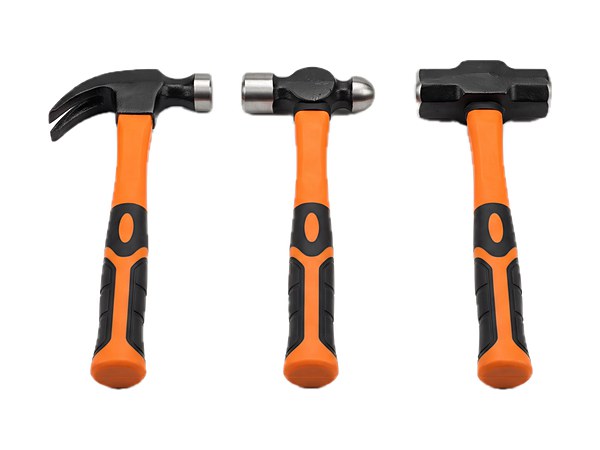
Striking ToolsASME B107.400 · ASME B107.410Face and bit hardness, head retention, claw pull, handle strength, bend load
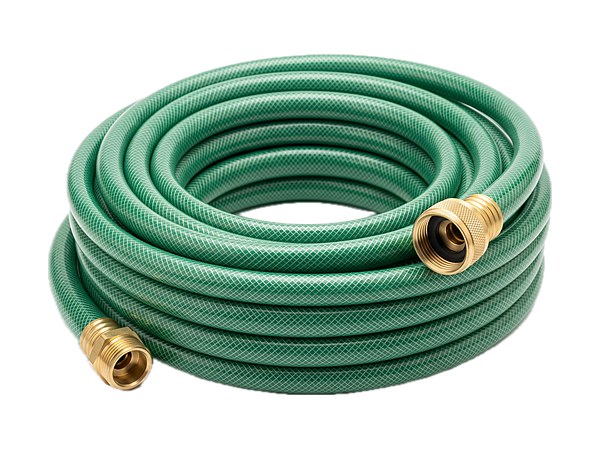
HosesASME B1.20.7 · ISO 5774 · ISO 2398 · NSF/ANSI 61 & 372Burst pressure, kink, coupling pull-off, cold flex, lead-free fittings
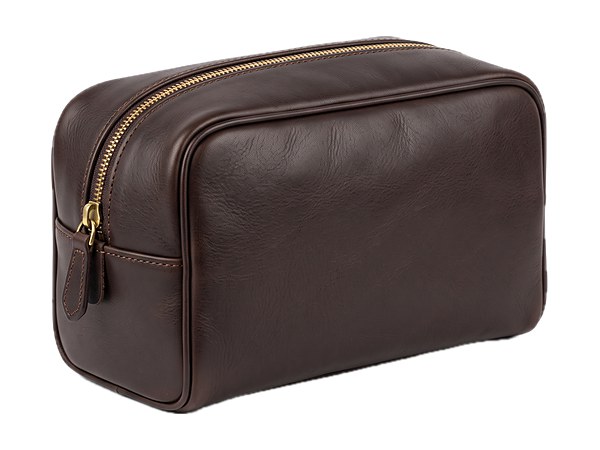
LeatherEN ISO 11611 · EN 12477 · ANSI/ISEA 105 · ISO 17075Flame and spatter on welding wear, glove cut and abrasion, rub fastness, chromium VI

Standards are named for orientation. The current edition of each standard, or your own specification, sets the pass limits.

Need test reports for your market?

Tell us the product and where it will be sold. We'll come back with the standards that apply and how each one will be proven.

Request a Quote

If goods are found defective on arrival, we take them back and arrange a refund.

Request a Quote WhatsApp